🔄 AI and Jobs: Top CEOs Change Their Minds#
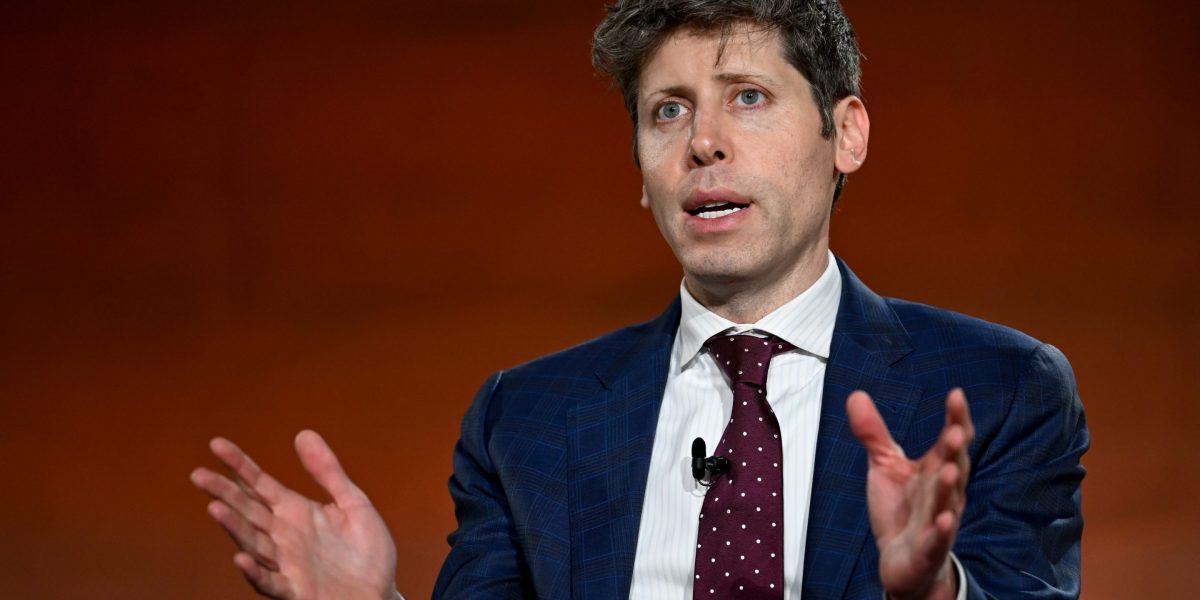
Sam Altman (OpenAI) and Dario Amodei (Anthropic) spent the past year warning that AI would gut white-collar jobs. Now both are admitting they were wrong.
🤖 Sam Altman said he was “pretty wrong” about AI’s economic impact. He expected entry-level jobs to disappear, but it didn’t happen. He even tried delegating his Slack and email replies to AI… then went back to doing it himself.
📉 Dario Amodei, who predicted AI could eliminate 50% of white-collar jobs, now says automation multiplies productivity rather than destroying jobs: “If you automate 90% of the job, then everyone does the 10% of the job… and that 10% kind of expands to be 100% of what people do.”
🏦 David Solomon (Goldman Sachs) never changed his stance: he consistently held that the panic was overblown, noting that U.S. civilian employment has grown 145% since 1962.
⚡ The Jevons Paradox#
The key concept here is the Jevons Paradox: when something becomes more efficient and cheaper, demand increases rather than decreasing. Just like with the steam engine: more efficiency meant more coal consumed.
With AI: lower cost per task → more tasks performed → more work for people.
💡 Explanation in a nutshell#
Imagine a robot vacuum cleans your house faster. Instead of cleaning less often, you’d probably clean more frequently because it’s easy and cheap. The same happens with AI at work: by making tasks cheaper, it generates more tasks, not less employment.
More information at the link 👇